
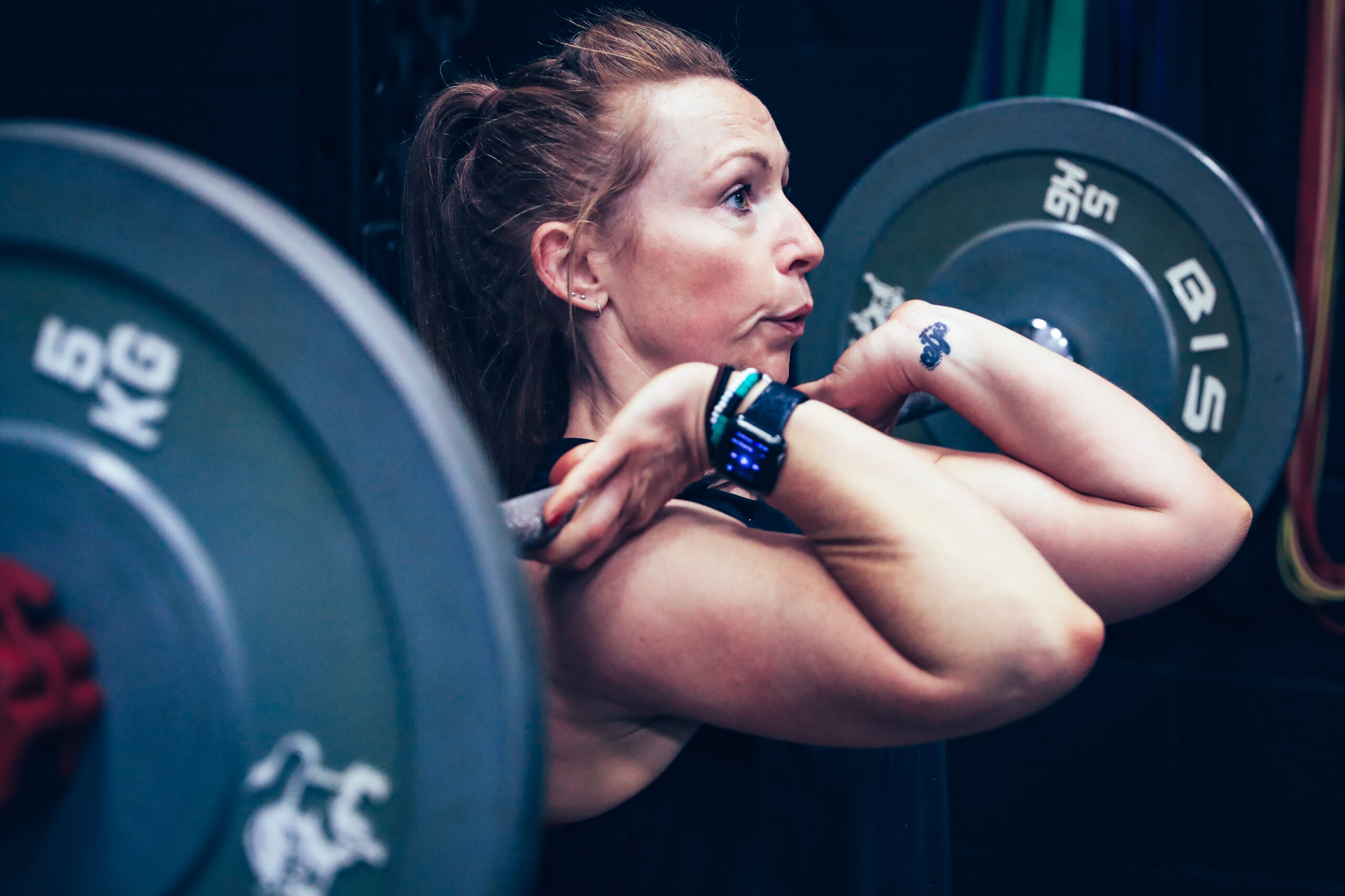
How women can get strong without bulking up
The popularity of weight training for women continues to grow from strength to strength (no apologies for the pun) and shows no sign of subsiding soon. This in itself is a massive cause for celebration, as apart from the obvious physical health benefits that come with it; it can be immensely empowering while providing further mental, emotional, and age-related health benefits.
DID YOU KNOW… Just three hours of weight-based exercise training will help you sleep, lose weight, and give you greater daily energy, as well as support bone density while potentially decreasing your risk of heart disease, depression, diabetes, certain cancers, and premature death.
That’s a pretty good return on investment for something that will take up less than 2% of your time!
Despite this, there are still many women who are hesitant to start their strength training journey because they fear getting ‘bulky’, something which outside of gym culture – where many females now actively train towards a more athletic-looking physique – still appears to be taboo.
Part of the problem comes from trainers, who rather than help people with their fears, merely remonstrate that ‘women can’t get bulky’ time and time again hoping that at some point it will stop falling on deaf ears, when in fact there is plenty of evidence to the contrary.
There are indeed plenty of examples of women who have put on significant amounts of muscle mass – showing the loud shouting trainers to not be entirely correct and continuing the cycle of distrust between trainers and the general public. Now, for the most part, these women are either a) predisposed to having a more muscular physique or b) have trained incredibly hard to look that way. Either way, I can understand why, despite the amazing benefits that come with strength training, many are still missing out.
And I really don’t want you to miss out, so… below is a short prescription of some of the tactics you can use when embarking on your strength training journey.
Nutrition
Our body size will reflect the calorie balance we live in… So if you are overweight and looking to start strength training, the likelihood of you increasing muscle size and getting ‘bulky’ is greater than someone who is consuming fewer calories. If you are looking to start a new regime in the gym and want to limit the chances of unwanted results, look to make some sensible changes to your diet. The easiest way to do this is to simply write down everything you eat – see the previous issue of this magazine! By writing down all you consume (you don’t have to weigh and measure) you will start to eat increasingly consciously and make more positive changes than you could have imagined.
Increase daily activity
Not everyone wants to make changes to their nutrition practice so for those that don’t, another way to realign your calorie balance is simply to get out more, be more active, walk more, take the stairs, try swimming, park further away than you need to, walk up the escalators… the options are endless. By increasing your energy expenditure in this way you will use more of the fuel you consume, therefore limiting its availability to increase muscle mass whilst having a positive impact on your weight and body shape.
Whole-body training sessions
When training, train in such a way that you challenge the whole body in terms of muscles and systems. Make sure you are using the lower body as well as upper body and core exercises in the same session. This will help reduce the impact of exercise on muscle growth by not focusing all your intention on one area and stimulating growth.
As well as choosing whole-body sessions you can choose to challenge various systems in the same sessions by combining strength training exercises with conditioning exercises. For example, bench press with the bike, or Romanian deadlifts with a sled push/pull which again will limit your ability to focus too much on one area.
Choose complex over isolation
By choosing smaller exercise movements that isolate muscles you increase the likelihood that you will stimulate muscle growth and limit energy expenditure. Choose exercises that require you to move through a greater range of motion, a greater distance, and that use multiple joints and muscles at the same time. Exercises such as split squats, or lunges, rowing movements and squats or presses, hinges and deadlift style movements. For best results and help with these types of movements don’t be scared to ask the instructors and coaches in your local gym – they should be more than happy to help.
Don’t ‘Beast’ yourself
Training doesn’t have to be hard, it just has to be hard enough to stimulate change and progression. Growing muscle on the other hand is incredibly expensive to the body and therefore requires high intensity and high levels of will to achieve. By exercising in a way that is hard enough (feel it, but not punishing yourself) rather than just hard, you make it highly unlikely you will increase muscle levels to the point where you feel bulky.
Love the body you have
Finally, we are born with certain somatotypes and body shapes which predispose us to look a certain way – bigger hips, longer limbs, broader shoulders, slimmer waistlines, and so on. We are all beautifully different and if we really want success in the gym and finally love the reflection we see in the mirror, it is time to fall in love with the bodies we have and treat them accordingly. You will be amazed at the magic that happens when you finally love yourself for who you are.
Ultimately, strength training as a female means you are going to naturally strengthen and define the muscles when you start a training program, but it is incredibly difficult to put on significant amounts of muscle without training incredibly hard and without that specific intention. If the fear remains, some of the strategies mentioned above will go a long way to helping limit the impact of your training on unwanted muscle development as well as having a positive impact on your health overall.